Lab Grown Diamonds
How are Lab Grown Diamonds Made?
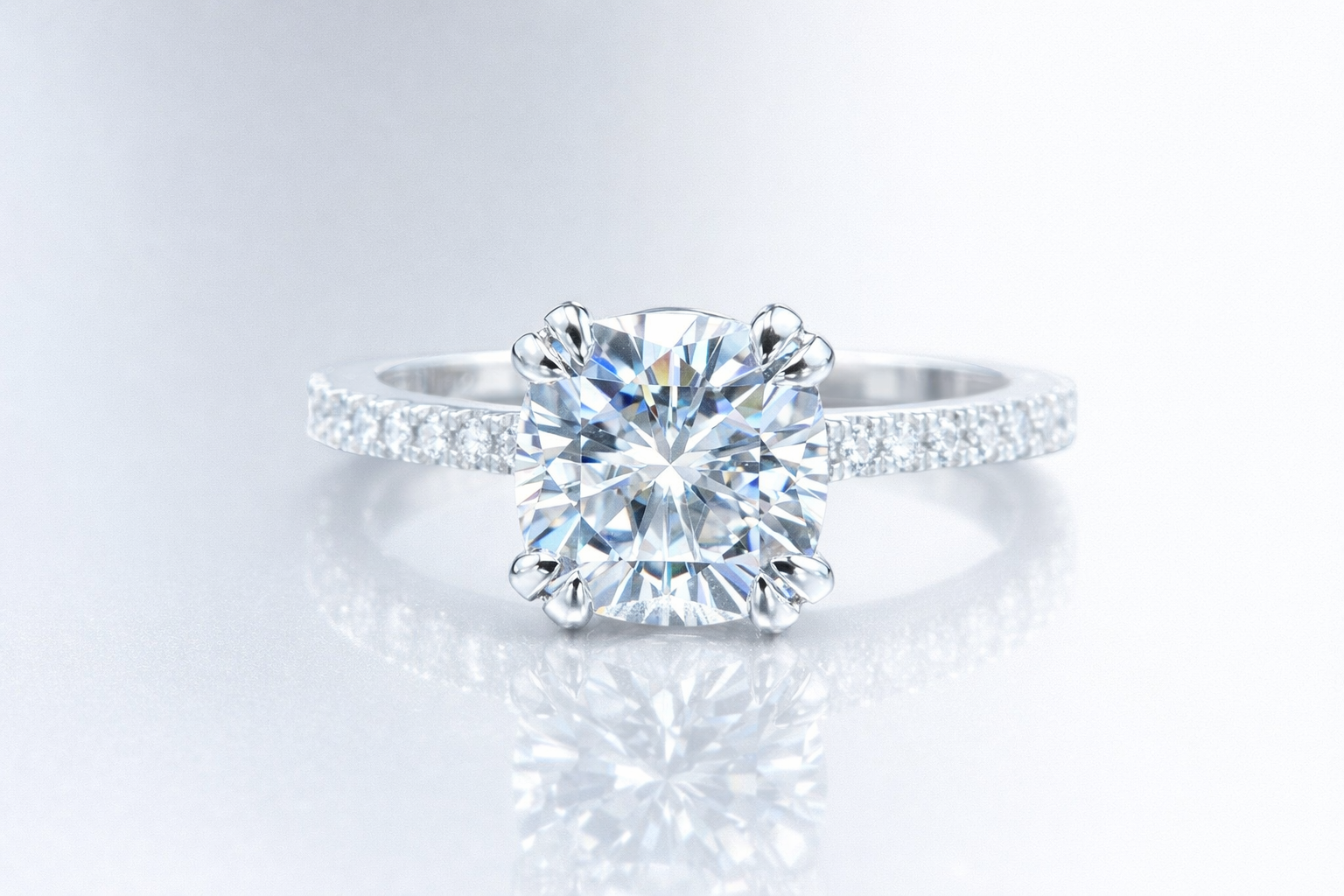
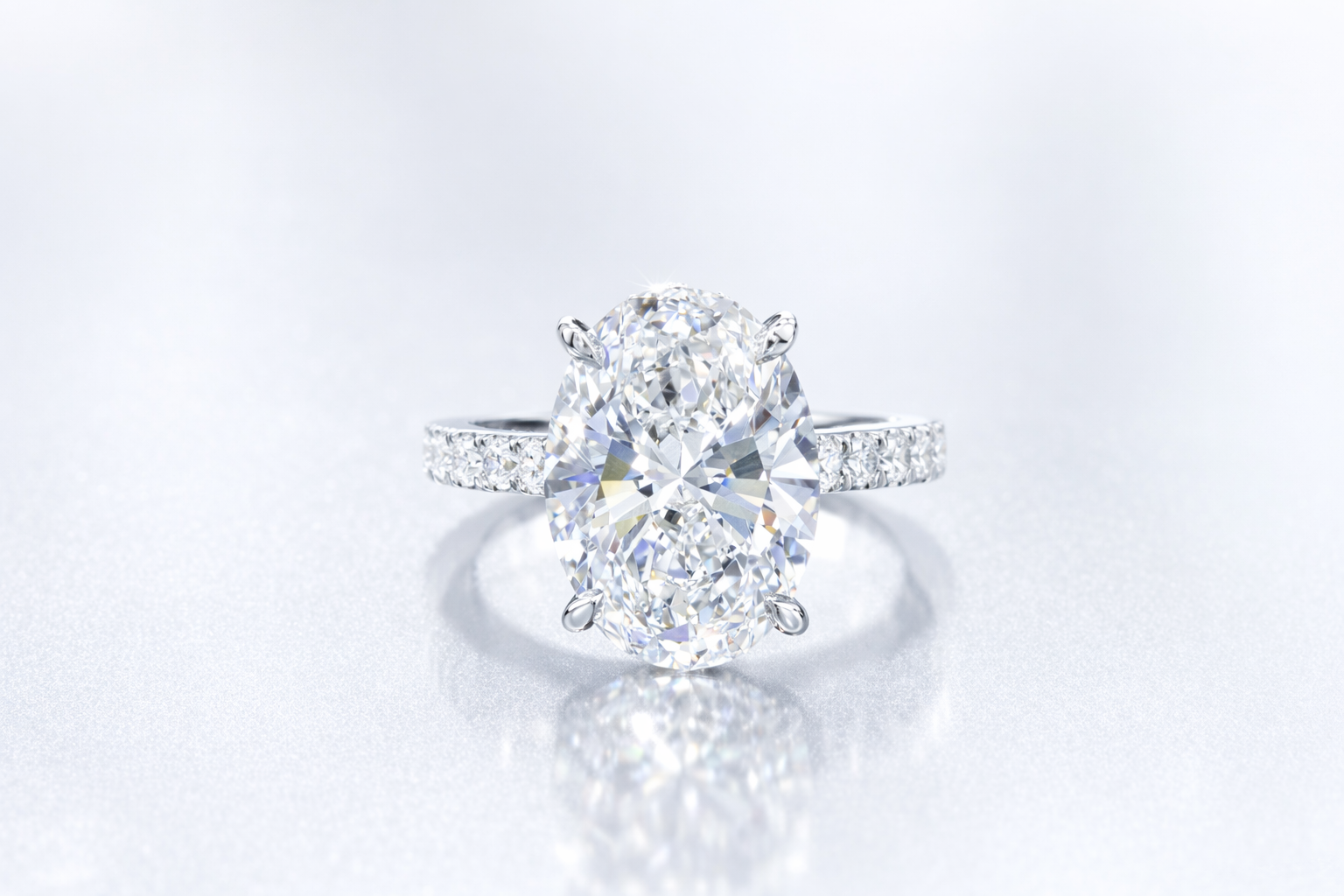
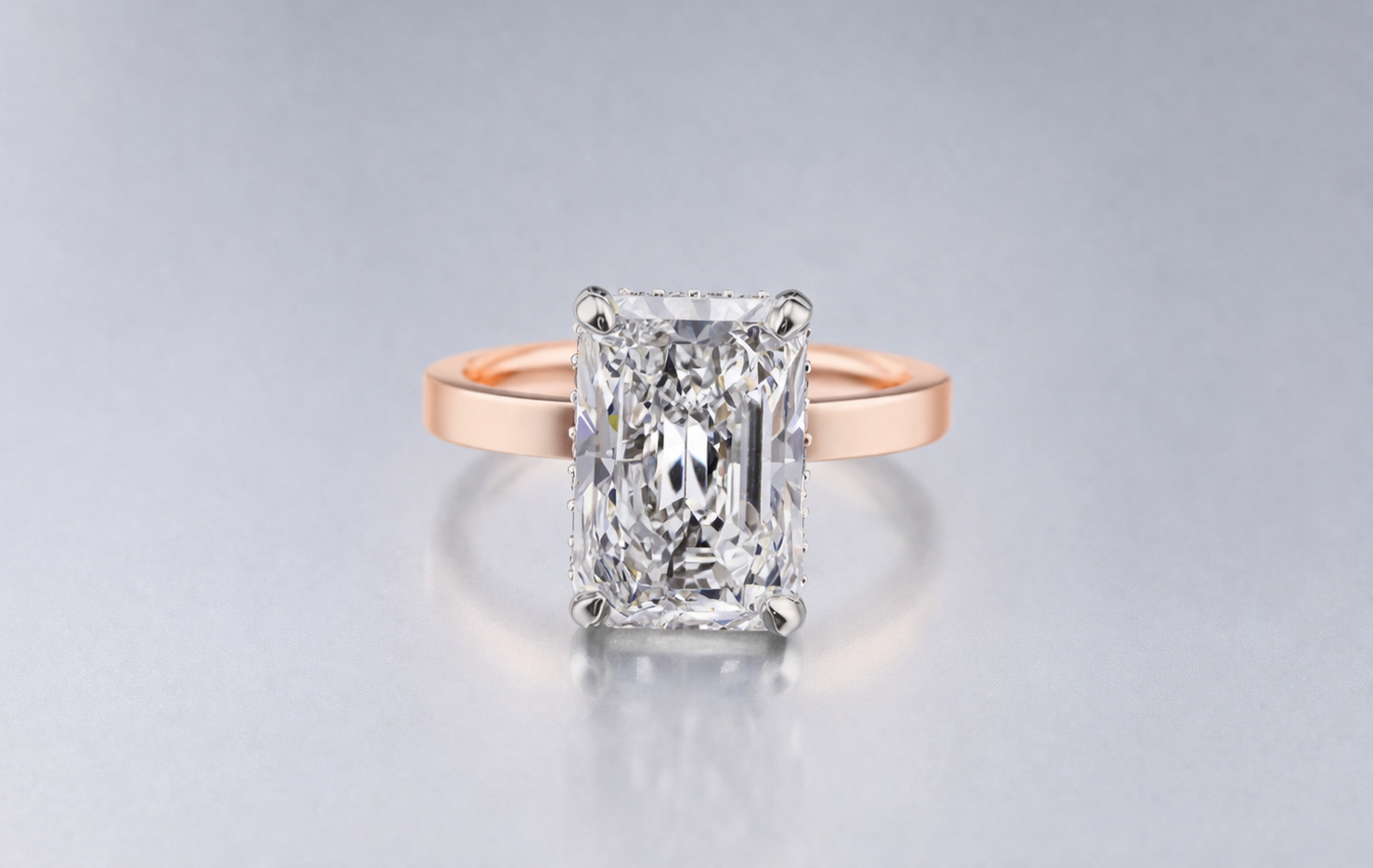
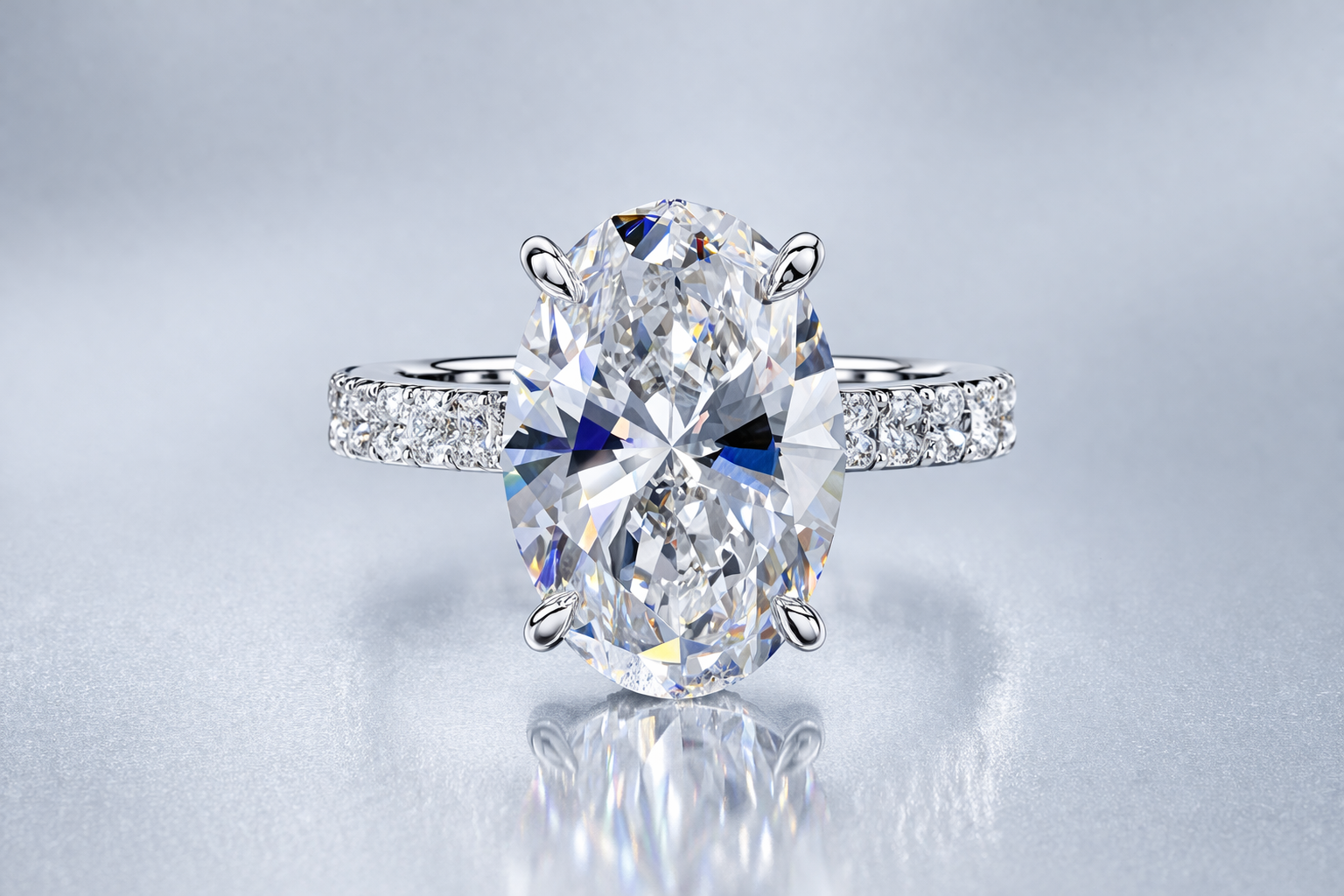
Lab-grown diamonds have essentially all of the same chemical, optical and physical properties and crystal structure as natural diamond, along with the same fire, scintillation, and sparkle. Since no mining is necessary to produce these gemstones, they are an especially environmentally friendly choice.
1. High Pressure, High Temperature (HPHT)
With this method, laboratory-grown diamonds are created in laboratories that mimic the high pressure, high temperature conditions of natural diamond formation in the earth. HPHT diamond growth occurs at pressures of 5–6 GPa — closely equivalent to the pressure exerted by a commercial jet airplane balanced on the tip of a person's finger — and at temperatures of 1300–1600°C.
Lower-quality diamonds, both natural and lab-grown, can also be put through the HPHT process to improve color and clarity.
2. Chemical Vapor Deposition (CVD)
CVD grows diamond from a hydrocarbon gas mixture at comparatively lower temperatures and pressures. A thin diamond seed is placed in a sealed chamber, the gas is ionized into plasma, and pure carbon adheres to the seed layer by layer, crystallizing into a rough diamond over several weeks.
Certification
Lab diamonds are certified by independent diamond grading labs and carry an inscription that matches the number on the laboratory certificate, exactly as a mined diamond would.